

SpaceXAI
WinnerSpaceXAI Digital Transformation Lab · Braga · 26-27 Oct 2026
We won the SpaceXAI Hackathon.
How four MAKE IT engineers built Virtual Datasheet at the SpaceXAI Digital Transformation Lab hackathon, and showed that a PDF can answer back.
Mon 26 Oct · 12:20
The clock starts.
The SpaceXAI Digital Transformation Lab in Braga gave Portuguese companies two days to turn a real business problem into an AI solution. 218 people signed up.
We didn't have to look far for our problem. We have designed electronics for clients since 2019, and every one of those projects starts the same way: someone opens a PDF.
At 12:20 the first repository was created. Four of us, two days, one idea.
- 48h
- of hackathon
- 218/80
- participants / teams
- 4
- of us
The problem
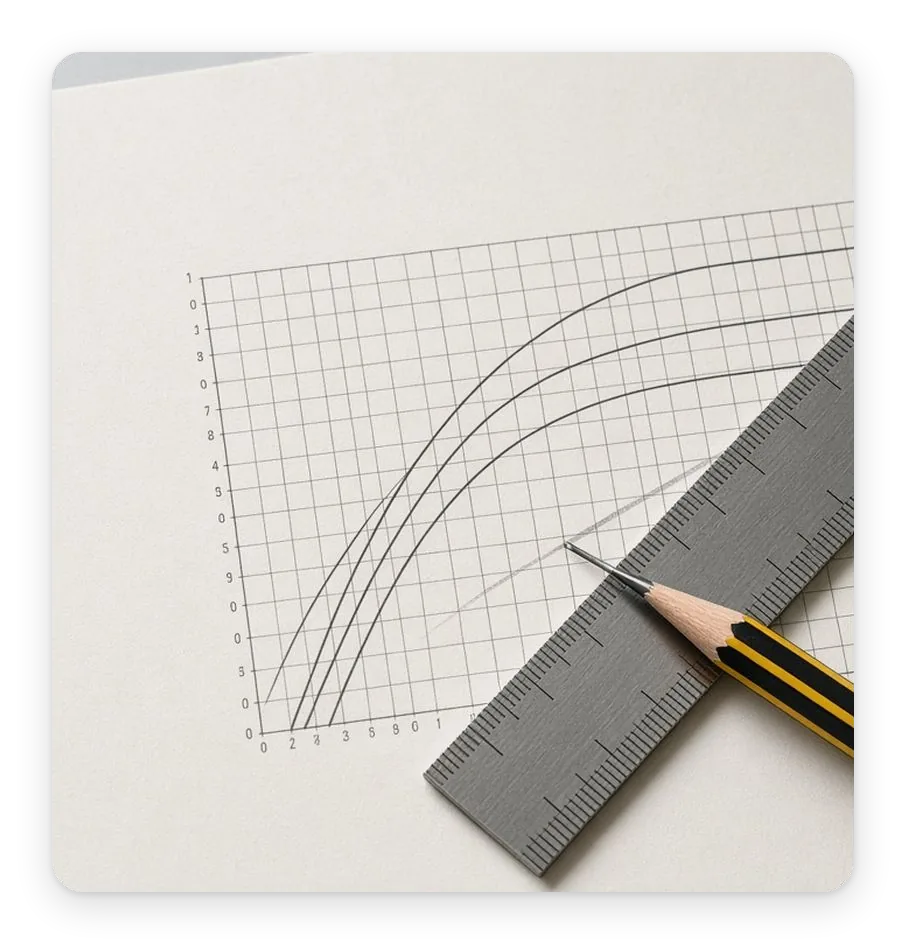
Engineers still read graphs with a ruler.
A datasheet is the single source of truth for every chip on a board. And in 2026 it is still a PDF made for human eyes: the curve you need is a picture, and the number you want is somewhere between two grid lines.
Three in four hardware engineers lose at least half a day every week to it. We estimate the bill at $33 billion a year. And now AI agents read datasheets too, and they need data, not pages.
Mon 26 Oct · 22:04
48 hours later, a front end.
By night the backend was reading PDFs and the first frontend repository appeared. The idea was simple to say and hard to build: point at any graph, get the numbers, and see the exact page they came from.
Behind it, an engine that turns every datasheet into searchable data where each value cites its source, and an MCP server so AI agents can ask the same questions engineers do.
The app: original PDF on the left, living datasheet on the right, every value linked to its page.
The moment it clicked
The datasheet says 49 Amps. Reality says 8 Amps max before it burns!
We tested it on a real design: a MOSFET driving a fan that needs 9 Amps. The headline number, 49 Amps, looks like plenty of margin. But that rating assumes a perfect heatsink.
Virtual Datasheet read the thermal curves, applied the real operating point, free air and no heatsink, and answered: about 8 Amps. Not enough. Found in minutes, before anyone built the board.
The datasheet says
49 Amps
In the real world
~8 Amps
Tue 27 Oct · Braga
Room 4, one pitch.
On Tuesday we walked into Room 4 with a working app, a real KiCad project and 253 digitised datasheets, and we showed the judges the 49 Amps versus 8 Amps moment live.
Our ask to the SpaceX.ai community was short: help us promote this in the open. We're sure their hardware engineers are spending too much time reading PDFs.
- 0
- datasheets digitised
- 0
- cited statements
- 0
- curves turned into data
- 0%
- right answer in the top 5
- 0
- automated tests
- 0
- commits in two days
Measured at the Lab. Search accuracy on 21 engineering questions across 9 datasheets.
In pictures
Two days in Braga.
Photos: SpaceXAI Digital Transformation Lab organisers.
The team
We build hardware for a living. We feel this pain every week.

Francisco Mendes
CEO · product & pitch

Pedro Magalhães
CTO · architecture

Miguel Tavares
Electronics · extraction pipeline

Vitor Mendes
Software · AI & query layer
What's next
Open source first. Then the world.
The plan is open core for the community, then the engineers and teams who use it become our first customers, then a B2B offer for manufacturers and large companies. One source of truth between chipmakers, engineers and their AI agents.
- Project page on TAIKAI →
- Demo video on YouTube →
- Pitch deck →
- Have a problem this hard? We build products from napkin sketch to production. Talk to us