

Carris
A digital ticket that survives a Lisbon tram
- 150
- pilot users
- 20+
- devices in the field
- 3 months
- concept to deployed prototype
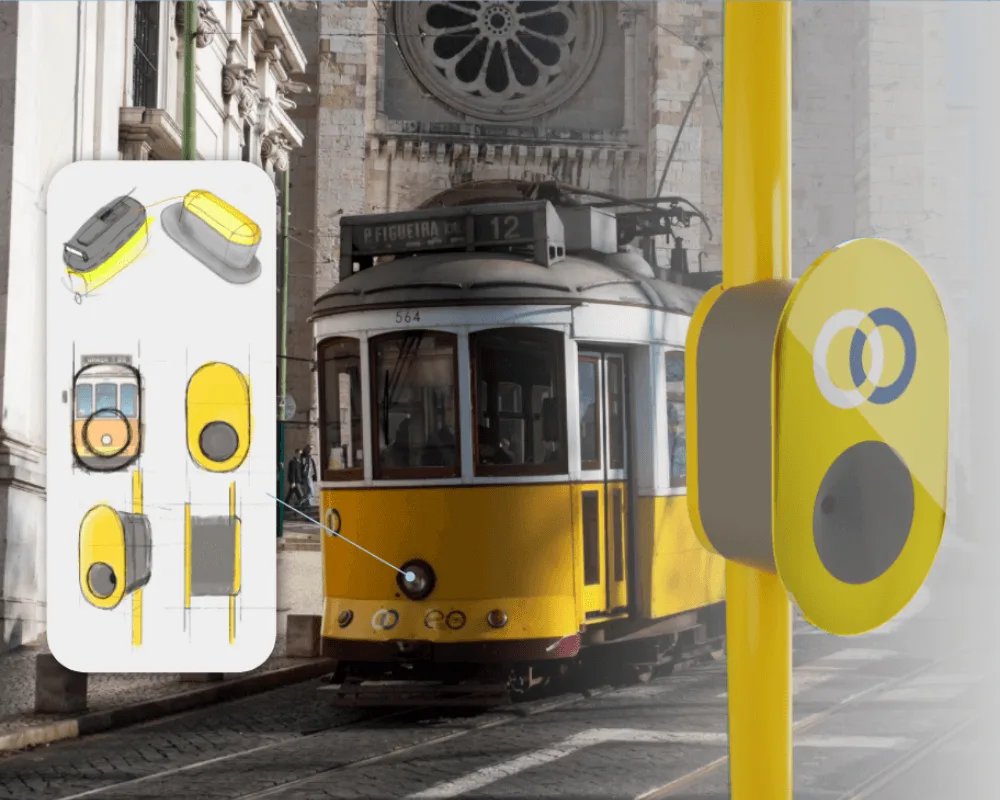
For Carris, the company that runs Lisbon's surface public transport, we developed QRIS — an innovative digital ticketing solution that combines QR Code and Carris in one name.
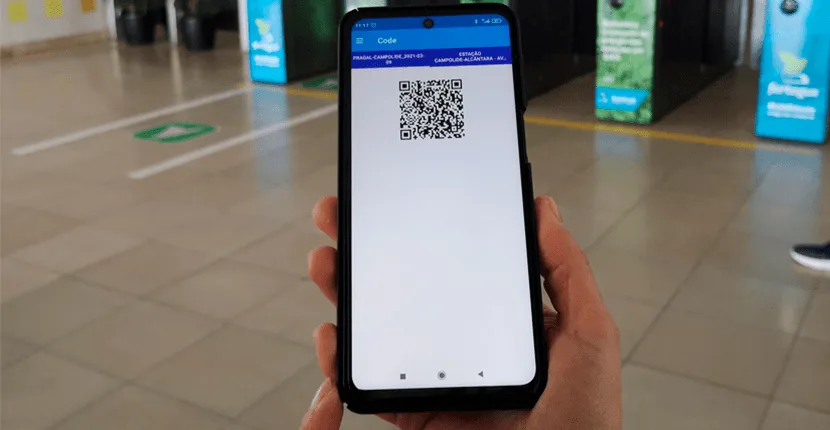
QRIS let passengers buy tickets straight from the Carris mobile app, integrated with the MB Way payment platform, then validate them on a purpose-built reader mounted inside the tram. Light animations gave riders instant visual feedback at the point of validation.
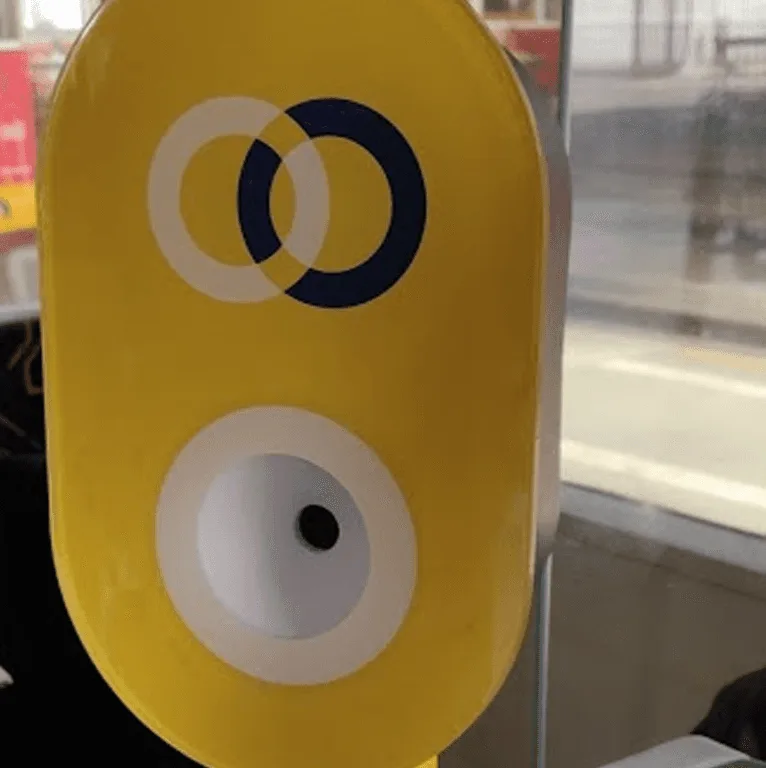
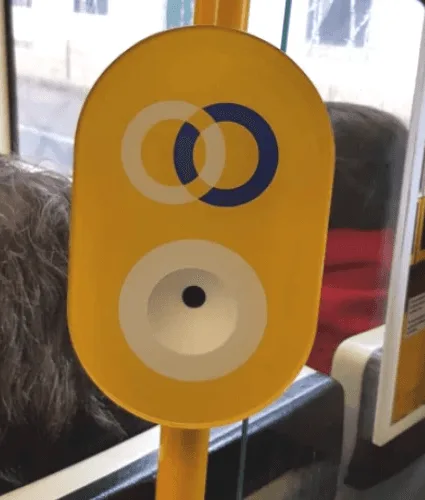
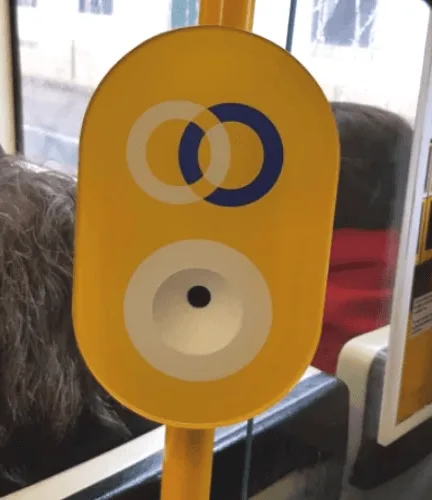
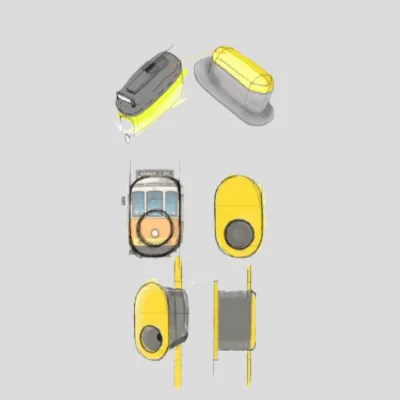
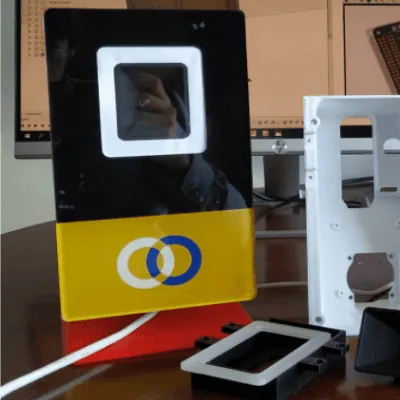
We took inspiration from Carris's iconic yellow tram livery and built a physical product around real-world usability first: a QR scanner that keeps working in the hardest light conditions a moving tram can throw at it.
QRIS validating a ticket on board.
Project stages
- 01
Challenge
Focused on the day-to-day experience of travelling, Carris wanted to dematerialise the physical transport ticket and replace it with one managed entirely from a smartphone. Beyond the mobile app, a new physical device was needed to validate those digital tickets inside the trams themselves.
- 02
Solution
We took inspiration from Carris's iconic tram model and built a physical product with the rider's experience as the priority. Focused on usability, we implemented QR-code scanning technology that keeps working even under the hardest light conditions a tram interior can produce.
- 03
Design and engineering
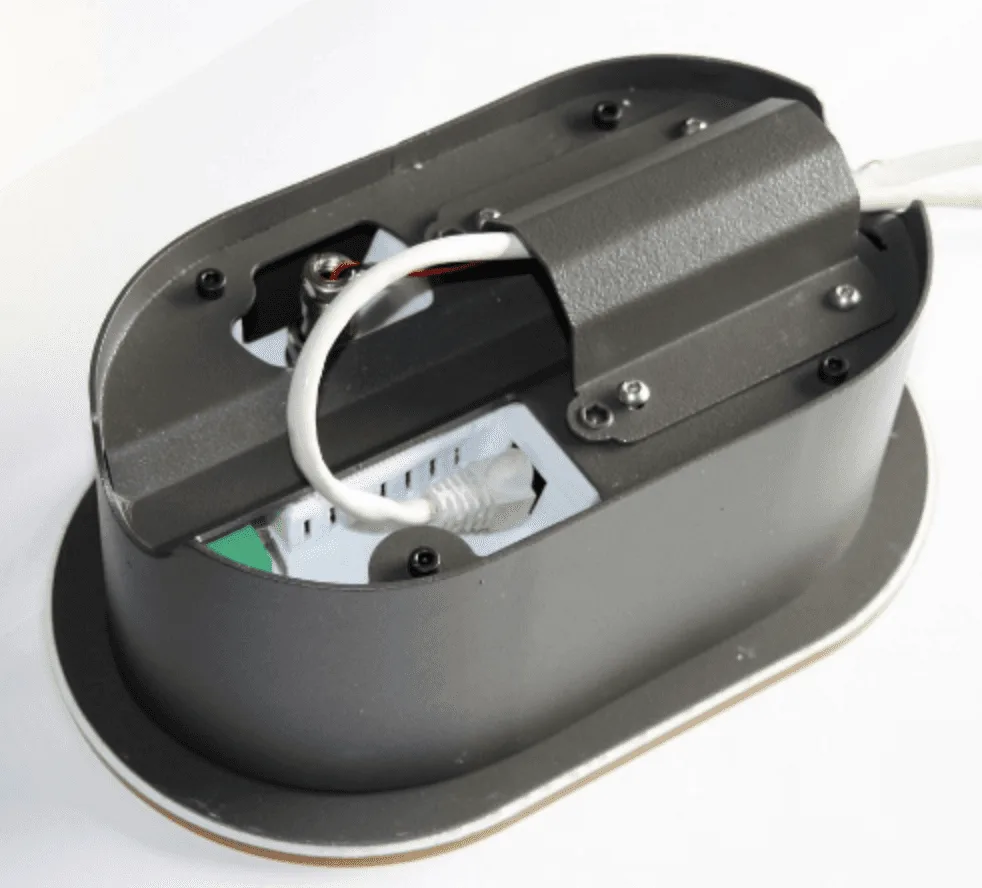
Hardware and firmware: we built custom hardware and firmware to fit the exact needs of a transit validator.
Industrial design: designed and built with people in mind, the result of an agile, creative process that put a working product in Carris's hands within three months.
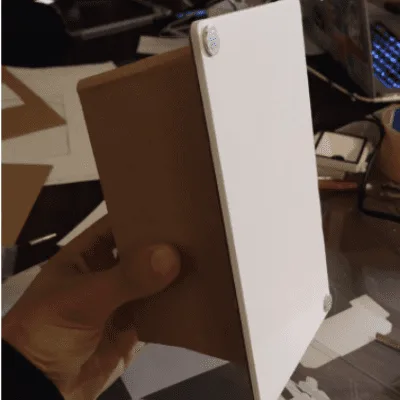
Digital production: we cost-effectively produced 20+ units at market-ready quality, without the cost of tooling or injection moulding.
- 04
Proof of concept
A working prototype, built fast, let us validate several critical facets of the project at once: whether the proposed technology holds up in a real-world scenario, how riders actually interact with the device, and what data the client team needed to make informed calls about the next phase — while catching and resolving risks before full development began.
Carris tried the solution in a live environment, gathering insight that let the team see how the final product would work and feel for actual passengers.
Ntech.news: “Carris tests system that validates tickets bought on the app with a QR code.”
In detail