

OLI
A patented ECG sensor, built into a toilet seat
- Patented
- product design
- 5 stages
- problem to validated prototype
- Conductive plastics
- materials researched and tested
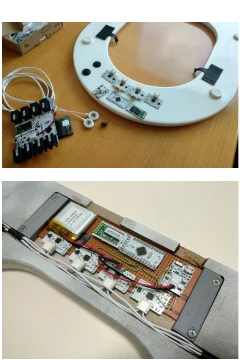
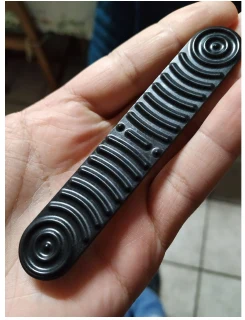
OLI wanted to take an ECG reading from something people already sit on every day. The problem: getting a reliable electrocardiogram signal through conductive plastic, in a shape and texture that still works as an everyday toilet seat.
We researched and tested conductive plastics, iterated through prototypes and form factors, and got the product to a final, patented prototype ready for a focus group.
Project stages
- 01
Problem & research
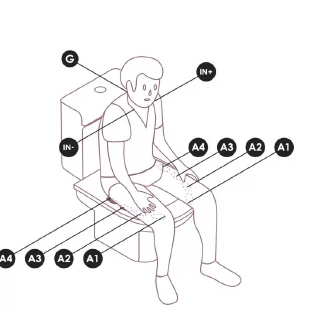
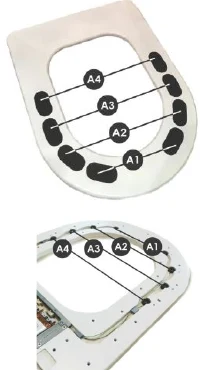
Getting an ECG reading through a toilet seat meant identifying and testing conductive plastics that could carry a reliable signal from four contact points, without feeling like anything other than a normal seat.
- 02
Prototype and test
We tested conductive plastics across different form factors and textures, building working electronics into functional prototypes at each step.
- 03
Final prototype and validation
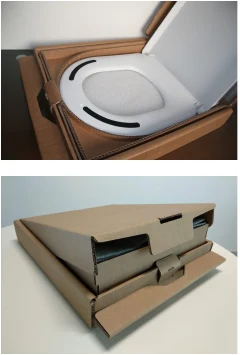
The result: a final prototype, injected in a special material, ready for a focus group, with the underlying sensing design patented.
In detail