
Confidential client
Test Jig for Assembly Line
- 4 weeks
- to first working prototype
- 8 weeks
- to 8 units on the factory floor
- 1,000
- endurance test cycles per unit
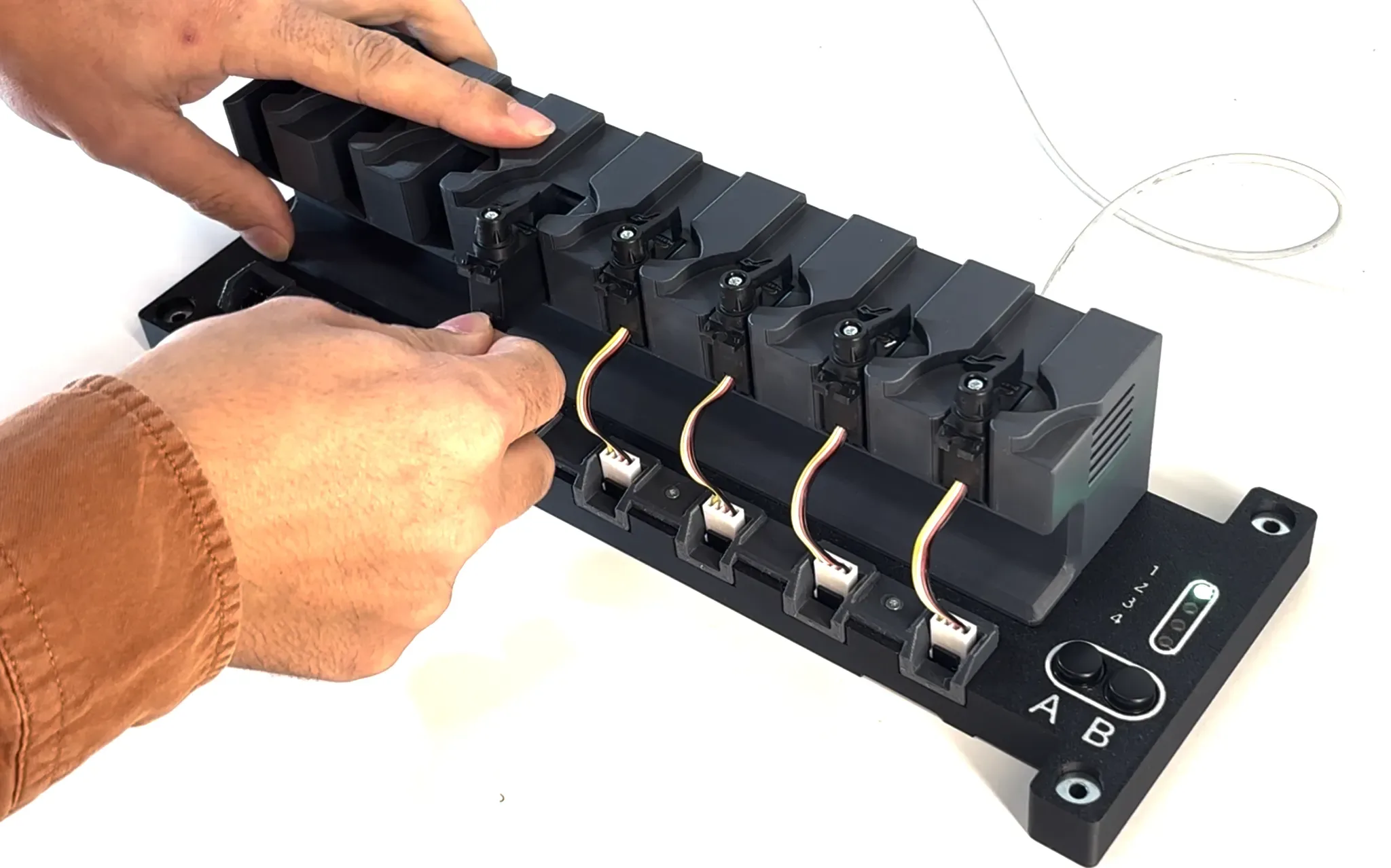
A hardware manufacturer was catching faulty motors only after full assembly, driving up production costs and delivery delays. They needed a fast, reliable way to catch defective units before they ever reached the line.
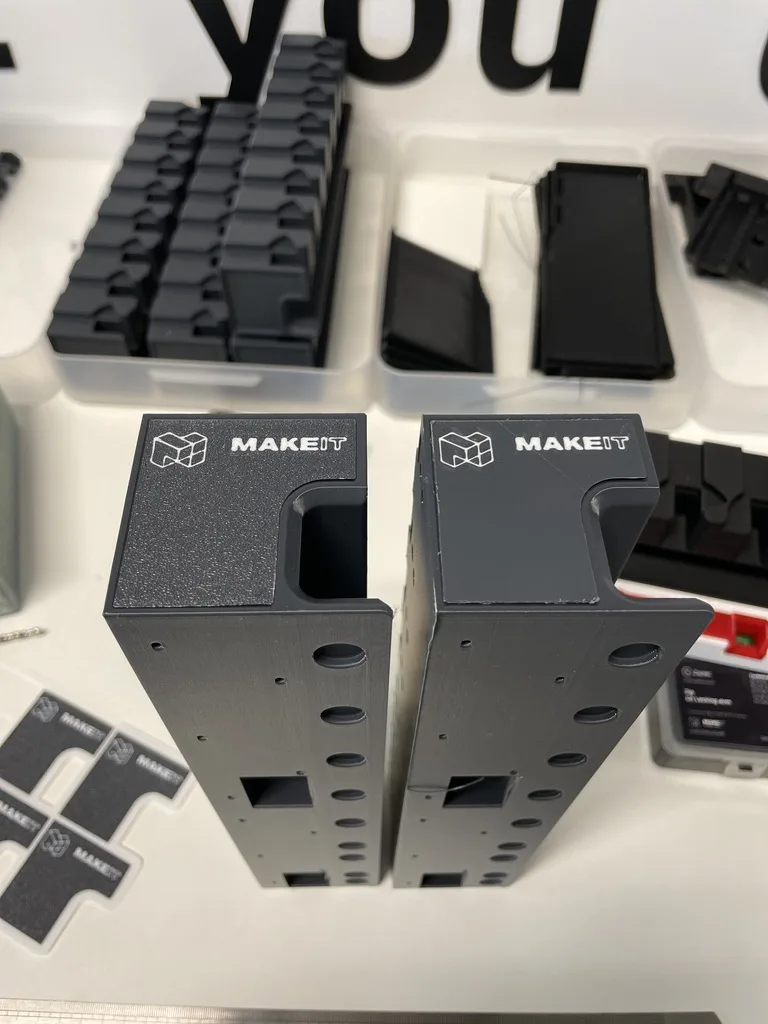
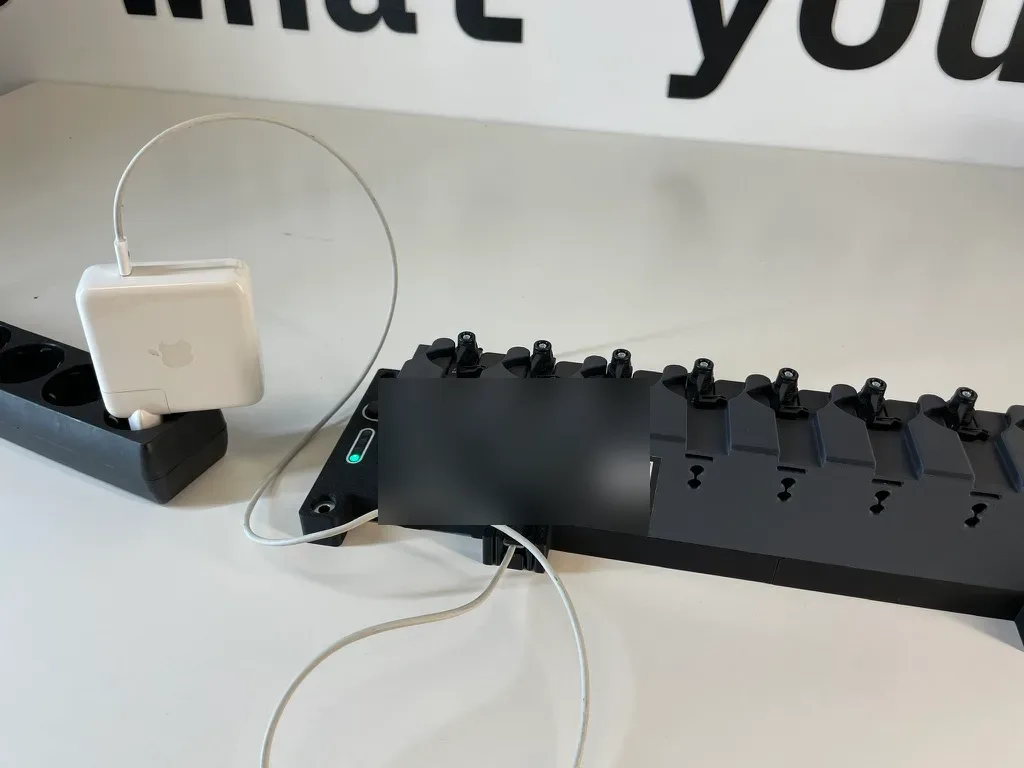
We designed and delivered a custom testing jig: a fully functional prototype in 4 weeks, and 8 production-ready units on the factory floor in 8 — tailored electronics, industrial design, and IoT built in for remote updates and process metrics.
Project stages
- 01
Challenge
Faulty motors were only discovered after products were fully assembled, driving up production costs and delivery delays. The client needed a fast way to catch defective units before assembly.
- 02
Approach
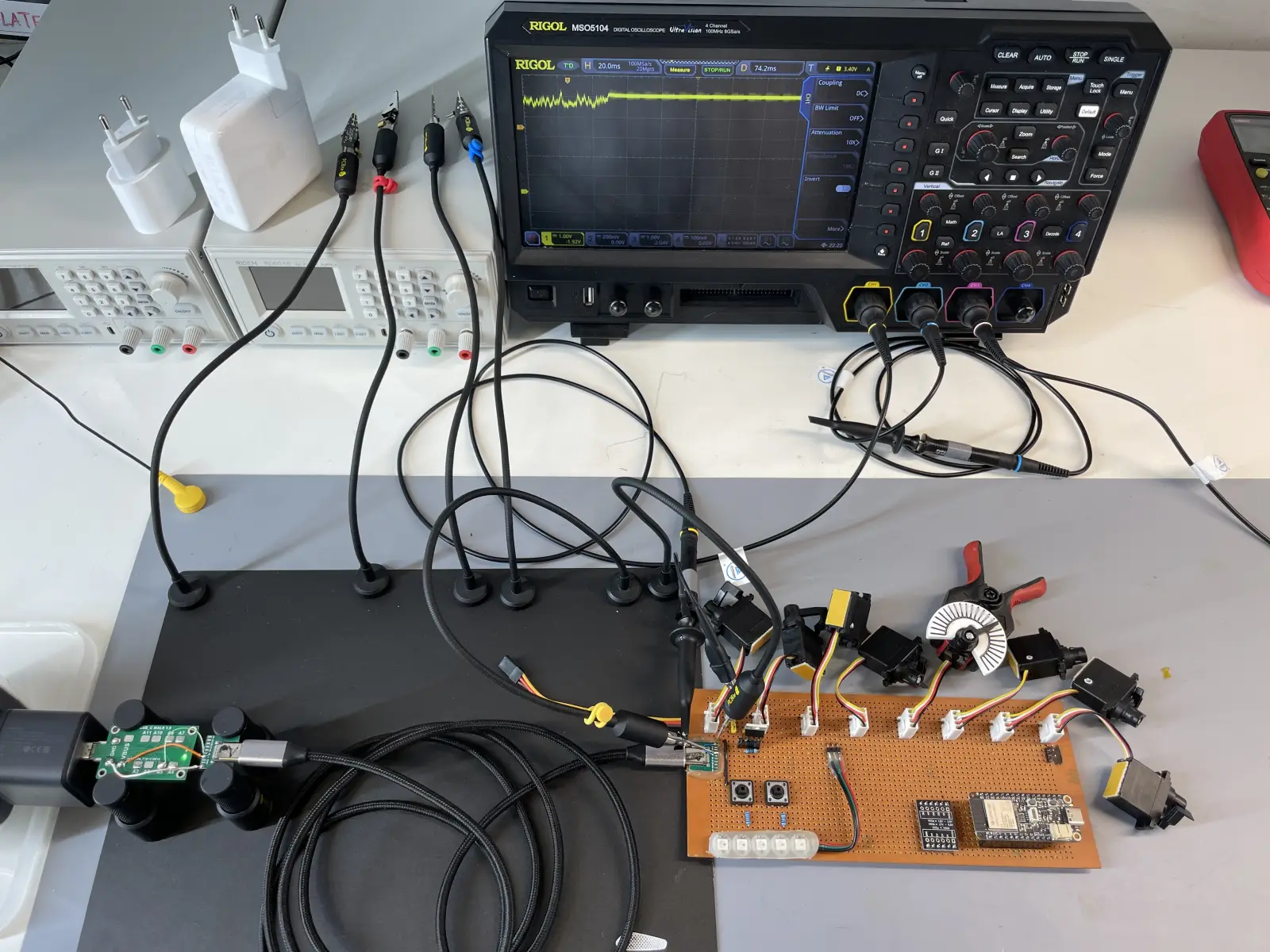
We started with a proof-of-concept built from off-the-shelf components, to validate that reliable detection was possible before investing in custom hardware. In parallel, we designed the 3D parts digitally so the client could print and validate fit locally, no physical shipping needed.
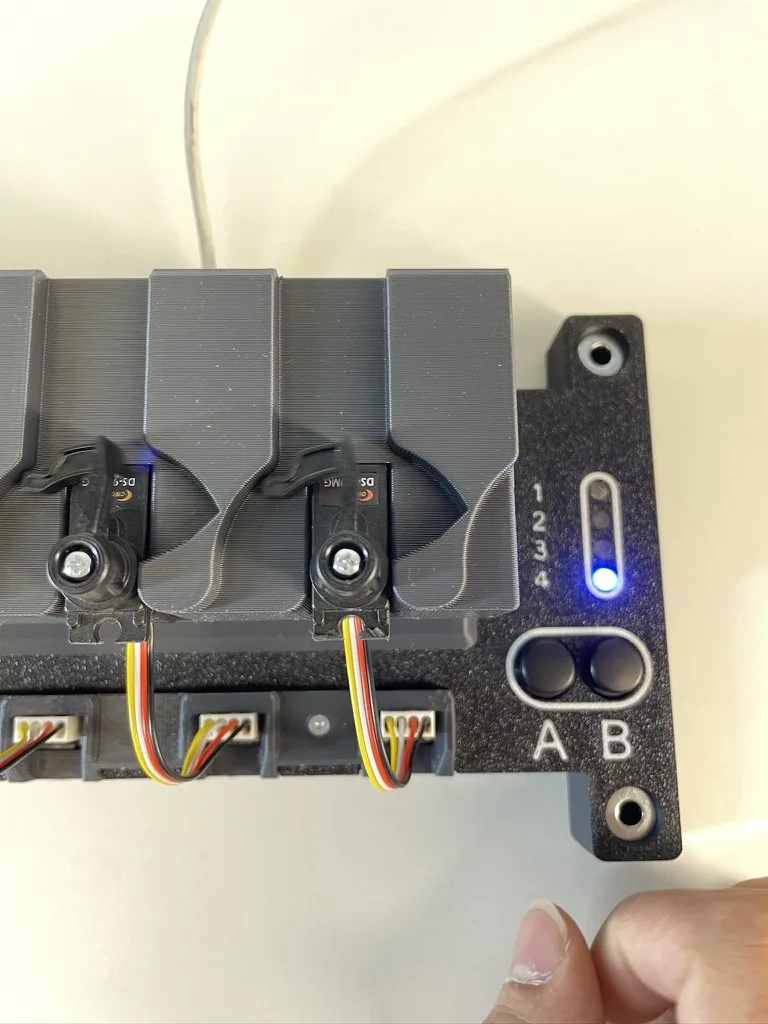
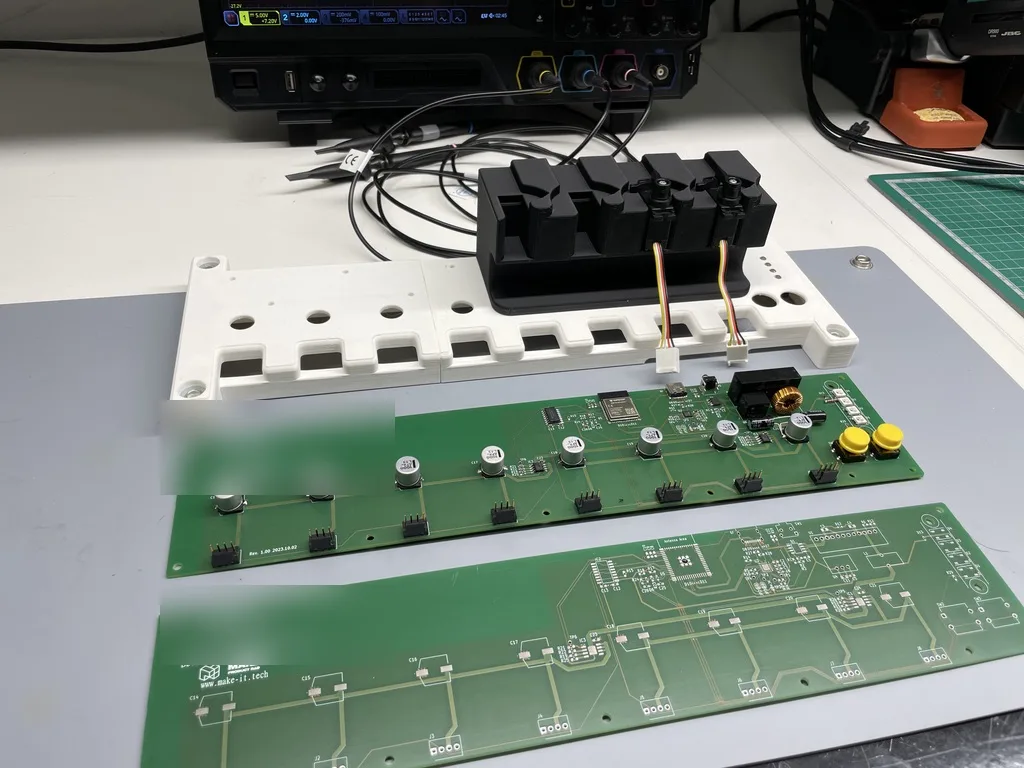
The first prototype cycle validated electronics, form factor, and UI across three parallel branches: PCB, firmware, and industrial design. We delivered a fully functional prototype within 4 weeks. Although not in the original brief, we built in IoT capability, anticipating the future need for remote software updates and process metrics.
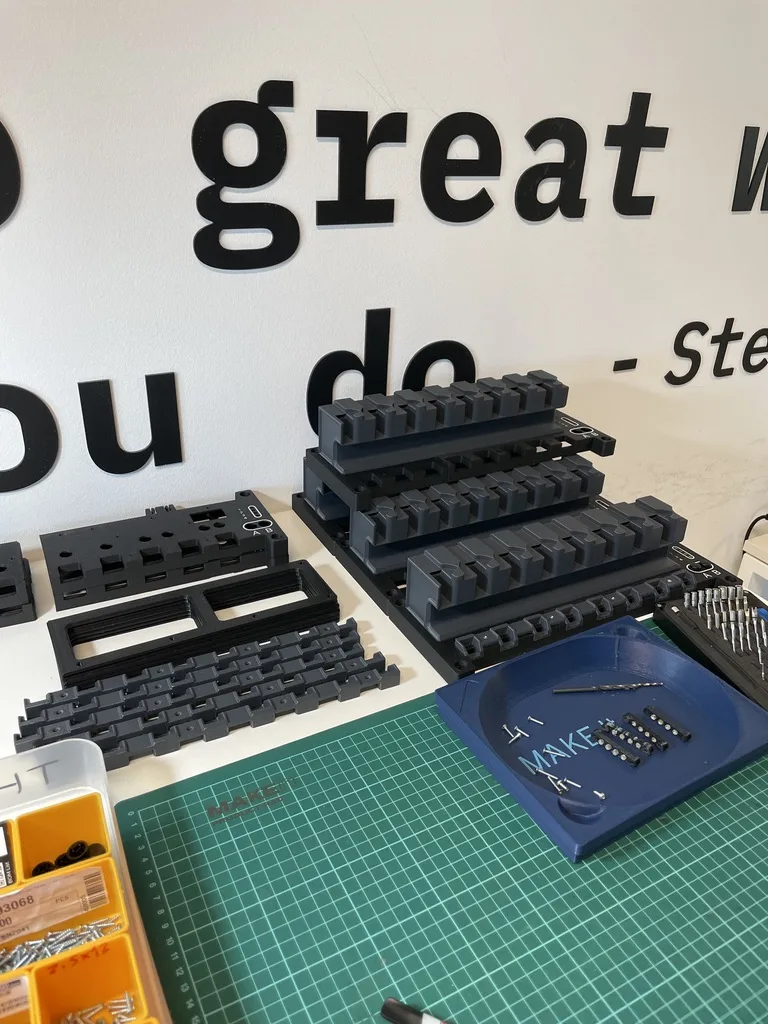
A second cycle refined the PCB, improved the 3D-printed parts, and produced 8 units for the factory floor — each one built to withstand harsh industrial environments and run reliably for extended periods, since this wasn't a one-off prototype but a jig meant for daily use on a live production line.

- 03
Results
The custom testing devices were deployed across multiple factories. Faulty units are now identified before assembly, cutting material waste and rework costs, and throughput improved by removing the delays defective components used to cause.
Each unit passed 1,000 endurance test cycles and has been operating continuously in demanding factory conditions without failure. The IoT capability has been specifically valuable for remote software updates and performance monitoring.
In detail